
Summer 2026
Workshops & Residencies
June 21 - 27, 2026
Join us on Zoom
This residency will look at the construction of effective stories. Its intention is to build a community of writers with a commitment to craft, to risk taking, and to building each other’s own sense of story.
Here is what I ask of you—to trust the process. To create a safe space where we can explore, experiment and fail. To know that we are doing our best and that we need one another’s eye to reveal to us what we cannot see. To know that in our exploration, there will be mistakes and amazing discoveries. To do as Edwidge Danticat suggests, “Write dangerously for readers who read dangerously.”
We will read each other’s work, workshop manuscripts—each other’s and your own—and create a revision plan that will help you carry the work to its highest potential. Short reading may be assigned to support our discussions.
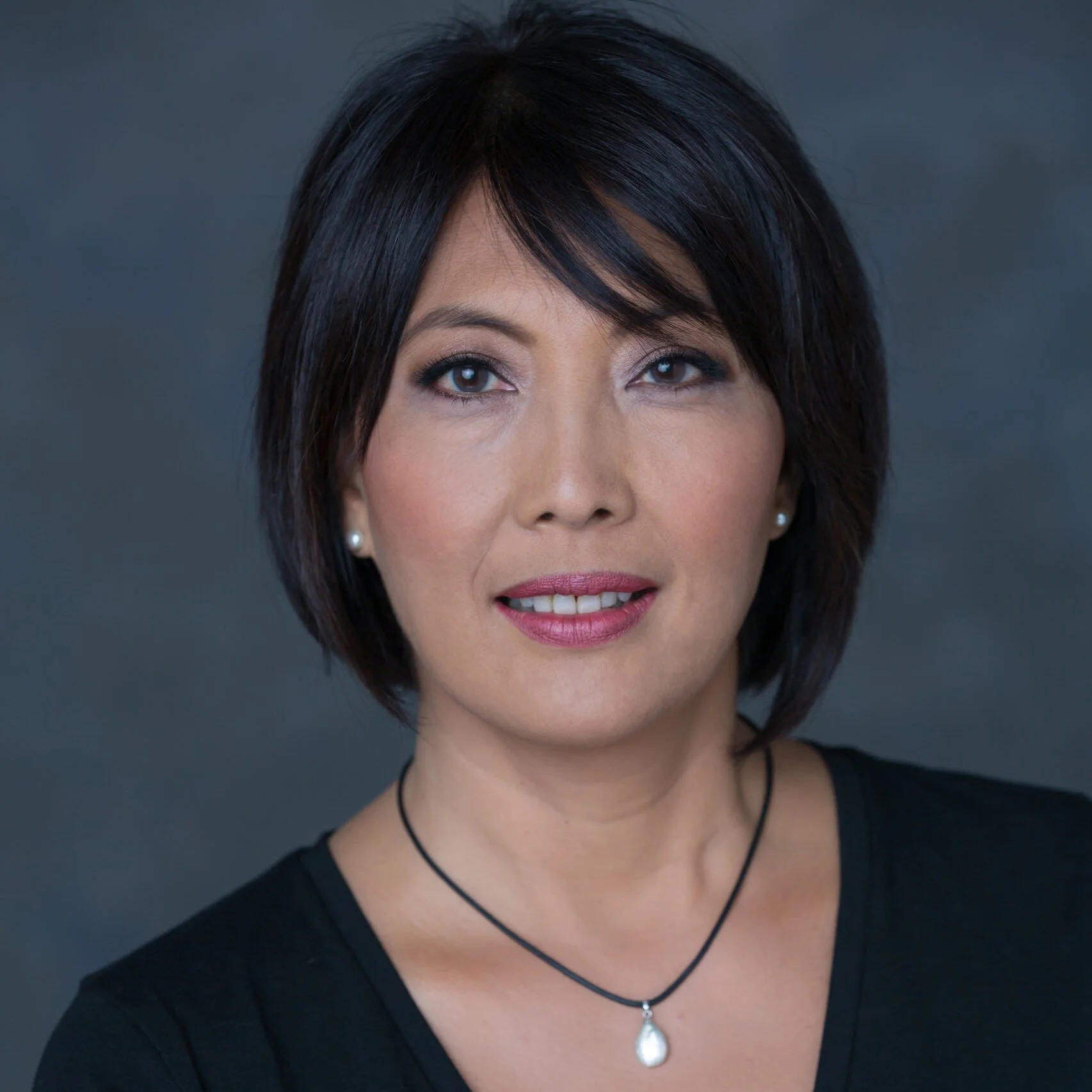
Prose Residency with M. Evelina Galang
M. Evelina Galang is the daughter of Filipino American immigrants who first came to the United States in the mid-1950s. Born in Harrisburg, Pennsylvania, she is the eldest of six. By the time she was twelve, she had moved to seven cities before her family settled in Milwaukee, Wisconsin. Galang is the author of two novels, two story collections, and a work of nonfiction, and the editor of Screaming Monkeys: Critiques of Asian American Images. She draws from the stories she grew up on and the research from a Fulbright Senior Scholar Award as well as numerous grants and fellowships from the University of Miami. Galang has been recognized as a Dayton Literary Peace Prize finalist, a Zalaznick Distinguished Visiting Writer at Cornell University, the recipient of the Gustavus Myers Outstanding Book Award. The American Library Association named Galang’s Angel de la Luna and the 5th Glorious Mystery among recommended feminist literature for ages zero to eighteen. She lives in Miami, where she teaches creative writing.
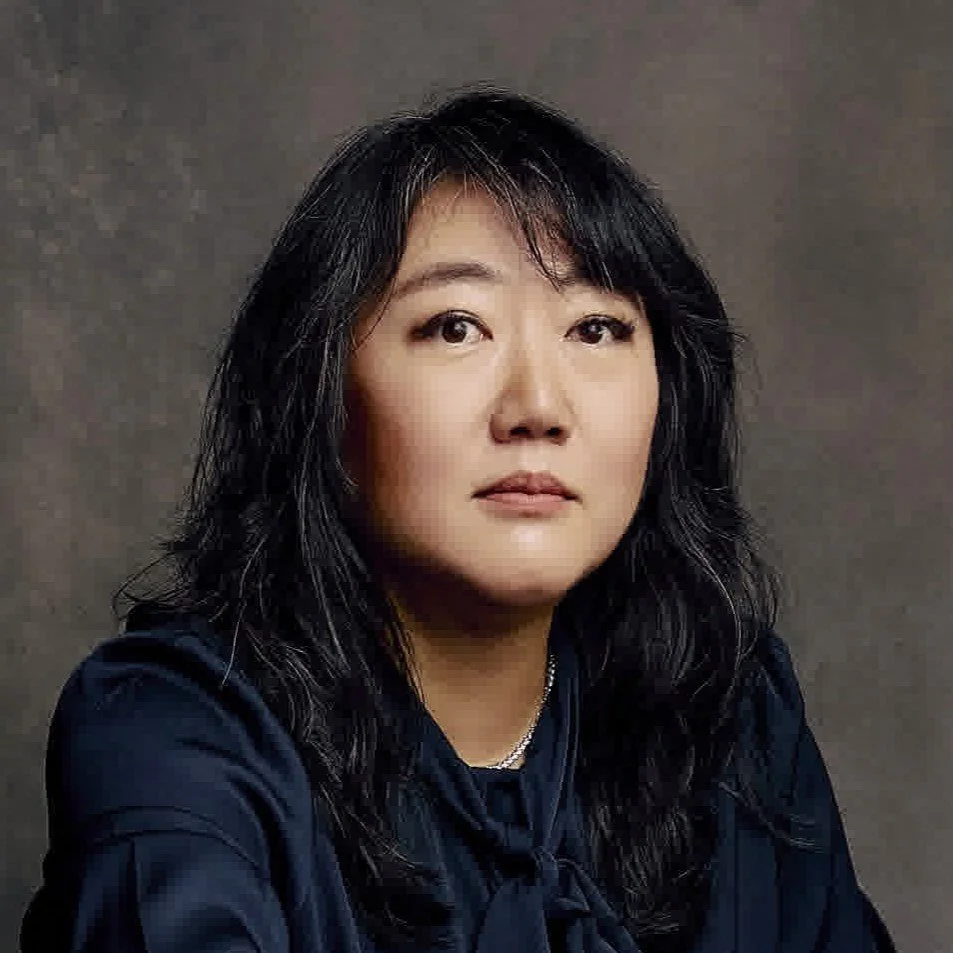
Nonfiction Workshop with Christine Hyung-Oak Lee
In this workshop, you will examine your work and that of your peers with the goal of honing your craft and bolstering your confidence as a writer. We will pay attention to craft components and how they interact within the creative structure—all of which I hope will expand your toolkit as a writer for this session and beyond. Of course, this is all within the context of our cultural concerns, the stories of representation we want to honor.
We will also engage in generative exercises that illustrate the ways in which essays or perhaps standalone chapters of a creative nonfiction arc come into form. Either way I hope you emerge from this workshop feeling renewed and energized.
Christine Hyung-Oak Lee is the author of a memoir, Tell Me Everything You Don't Remember, which was published by Ecco / Harper Collins, which was highlighted on NPR's Weekend Edition with Scott Simon, reviewed by the New York Times, and elsewhere. It was the first illness memoir written by a BIPOC writer published by a major publishing house in America. Their fiction and essays can be found at the New York Times, BuzzFeed, ZYZZYVA, Guernica, Catapult, and other literary magazines. Lee's work has been honored by Hedgebrook and VONA. They have taught at various writing workshops and MFA programs, where their mission is to change the landscape of literature. Lee holds a BA from UC Berkeley and an MFA in Creative Writing from Mills College. They are an Essays Editor at the Offing.
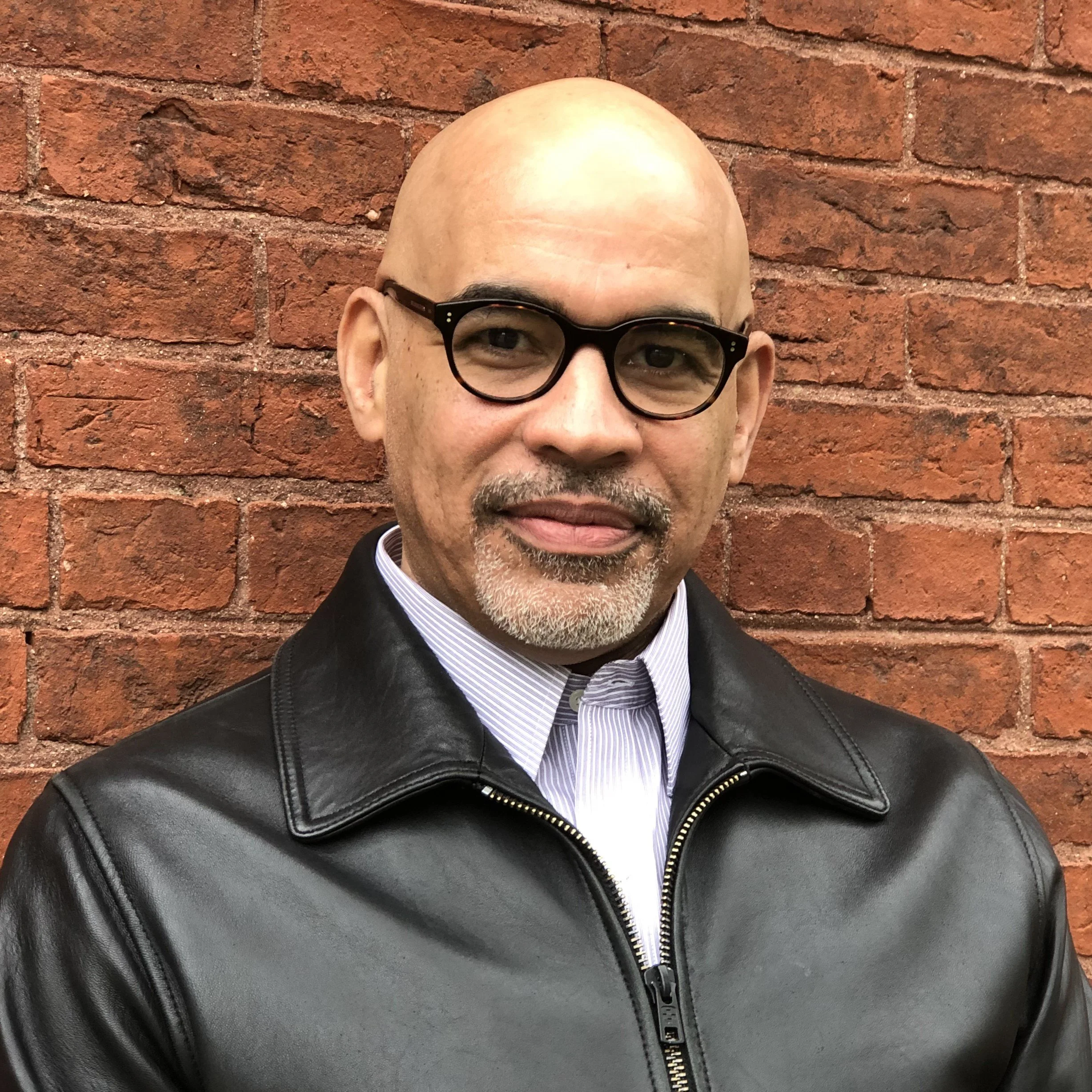
Developing a Poet’s Primer with Willie Perdomo
This workshop treats poems not as static artifacts but as living primers—models that teach us how to think, see, and speak from the urgency of our lived experience. Through guided discussion and hands-on generative writing exercises, participants will write from identity—exploring voice, memory, place, and cultural inheritance. We will examine the use of structure, image, syntax, and narrative to transform personal and collective histories into art that is both intimate and public-facing. Emphasis will be placed on experimentation, revision-in-process, and community exchange. Writers will leave with new drafts, practical strategies for sustaining a generative practice, and a deeper understanding of how poems can serve as blueprints for writing that is rooted in place, voice, and identity.
Willie Perdomo is the author of Smoking Lovely: The Remix, The Crazy Bunch, The Essential Hits of Shorty Bon Bon, and Where a Nickel Costs a Dime. Winner of the Cy Twombly Award for Poetry, the PEN Open Book Award, the New York City Book Award in Poetry, and the Academy of American Poets Laureate Fellowship, Perdomo was also a finalist for the National Book Critics Circle Award and the Poetry Society of America Norma Farber First Book Award. He co-edited the anthology, LatiNext, and was recently awarded a Letras Boricuas 2024 Fellowship. He teaches at Phillips Exeter Academy and was appointed New York State Poet (2021-2023).
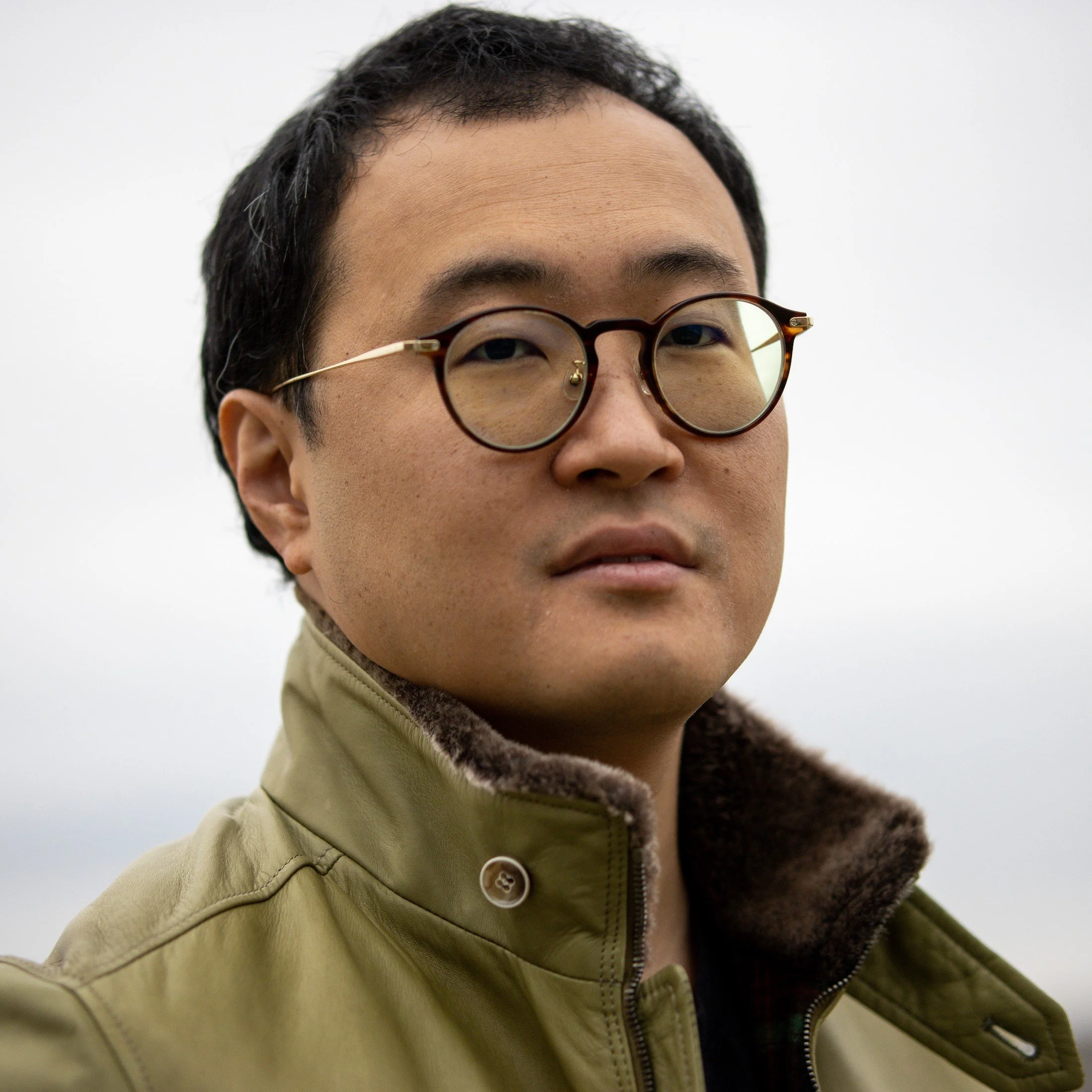
Fiction Workshop with Matthew Salesses
Ever wish a workshop could be more like a conversation among friends? The great thing about a writing conference is that it can be. Having read everyone's work beforehand, we will throw out the traditional workshop and instead discuss everything at the same time. No one will be in the hot seat--or everyone will be in the hot seat. We'll share the warmth. In that spirit, be prepared to share your favorite writing exercise. We'll try out each one. We'll learn from one another.
Matthew Salesses was adopted from Korea. He is the author, most recently, of The Sense of Wonder and Craft in the Real World, and his memoir, To Grieve Is To Carry Another Time, is forthcoming from Little, Brown. He teaches in the MFA Program at Virginia Tech.

In this residency we will write and revise poems of celebration and grief, poems of fury and in memoriam. Such poems are defined by tone of voice. Tone, often defined as an author’s attitude toward her subject, is also content. It reveals the emotion that drove the person to write and invites us to feel with them, to see our own lives through the lens of the poem.
How do we use words to speak gladness or sorrow? How do diction, imagery and lineation create tone and atmosphere in a poem? By comparing a variety of works by established authors we will see, in action, the various elements that give these poems their compelling resonance. This will give each of us a sharpened sense of how to fully engage the reader’s heart and imagination.
Odes, Rages, Aubades & Elegies:
Lighting the Heart’s Lamp with Tim Seibles
Born in Philadelphia in 1955, Tim Seibles is the author of seven collections of poetry, including his most recent, Voodoo Libretto (Etruscan Press, 2022), One Turn Around the Sun (Etruscan Press, 2017), and Fast Animal (2012), which won the Theodore Roethke Memorial Poetry Prize, the PEN Oakland Josephine Miles Award, and was nominated for a 2012 National Book Award. Other titles are Buffalo Head Solos (2004), Hammerlock (1999), Hurdy-Gurdy (1992), and Body Moves (1988). His poems have been published in the Indiana Review, Black Renaissance Noire, Cortland Review, Ploughshares Massachusetts Review, Beloit Poetry Journal, and numerous other literary journals and anthologies, including Best American Poetry. Seibles has received fellowships from both the Provincetown Fine Arts Center and The National Endowment for the Arts. He also won the Open Voice Award from the 63rd Street Y in New York City. On July 15, 2016, Seibles was named Poet Laureate of Virginia by Governor Terry McAuliffe. Seibles lives in Norfolk, Virginia, where he is a member of the English Department and MFA in writing faculty of Old Dominion University. He is a teaching board member of the Muse Writers Workshop.
Workshop Tuition: $1,000
Residency Tuition: $1,200
VONA Summer. Give yourself the gift of time and community. Applications close on February 15.